Naval Shipbuilding & Quality Engineering: INS Nilgiri (Project 17-Alpha)
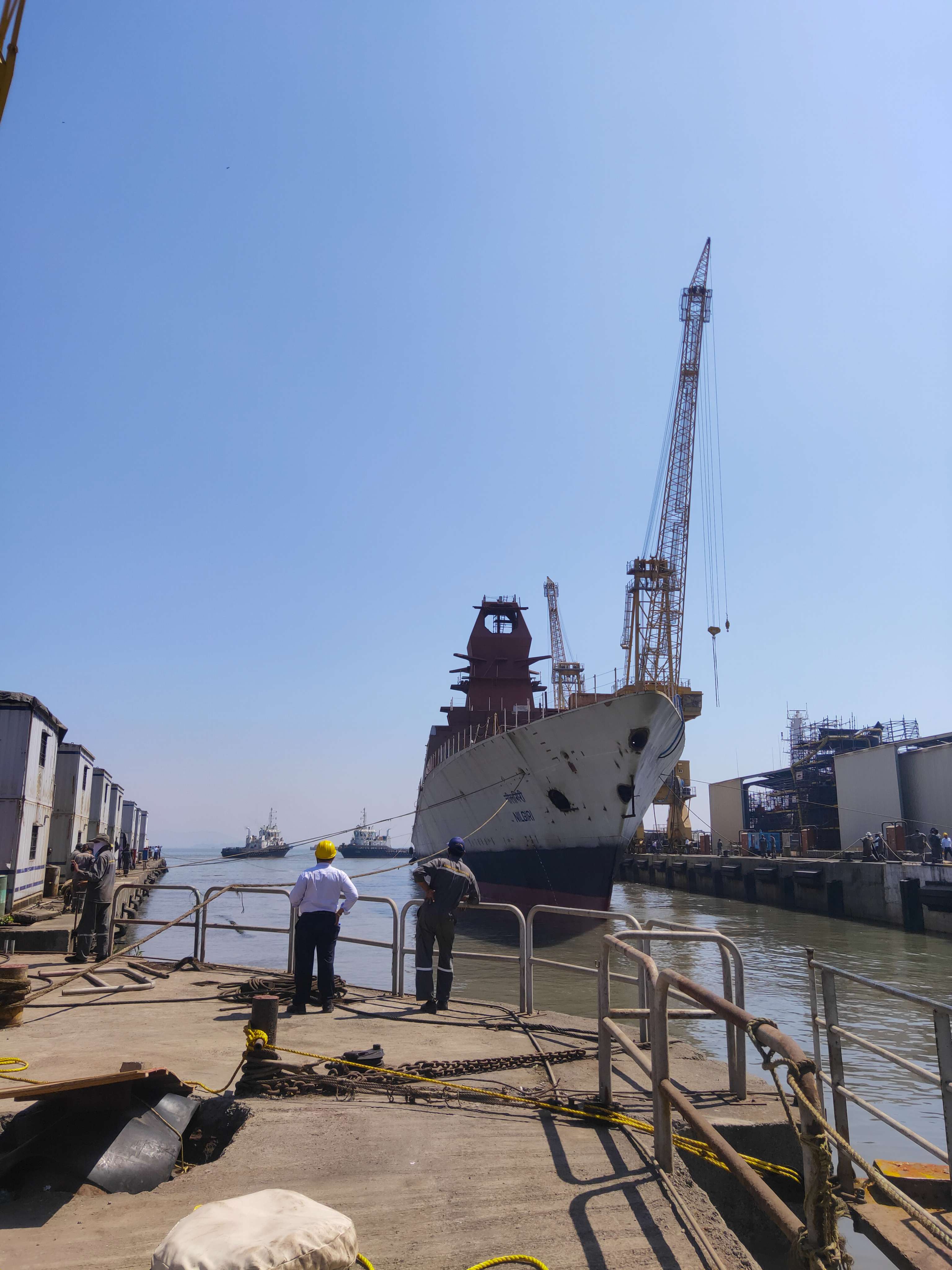
Hands-on mechanical engineering, pipe fabrication supervision, and naval quality assurance for the lead stealth frigate of the Indian Navy's Project 17-Alpha at Mazagon Dock Shipbuilders Ltd.
- Vessel
- INS Nilgiri (P17A)
- Duration
- 12 Months
- Focus
- Outfitting & Pipe Shop QA
Outline
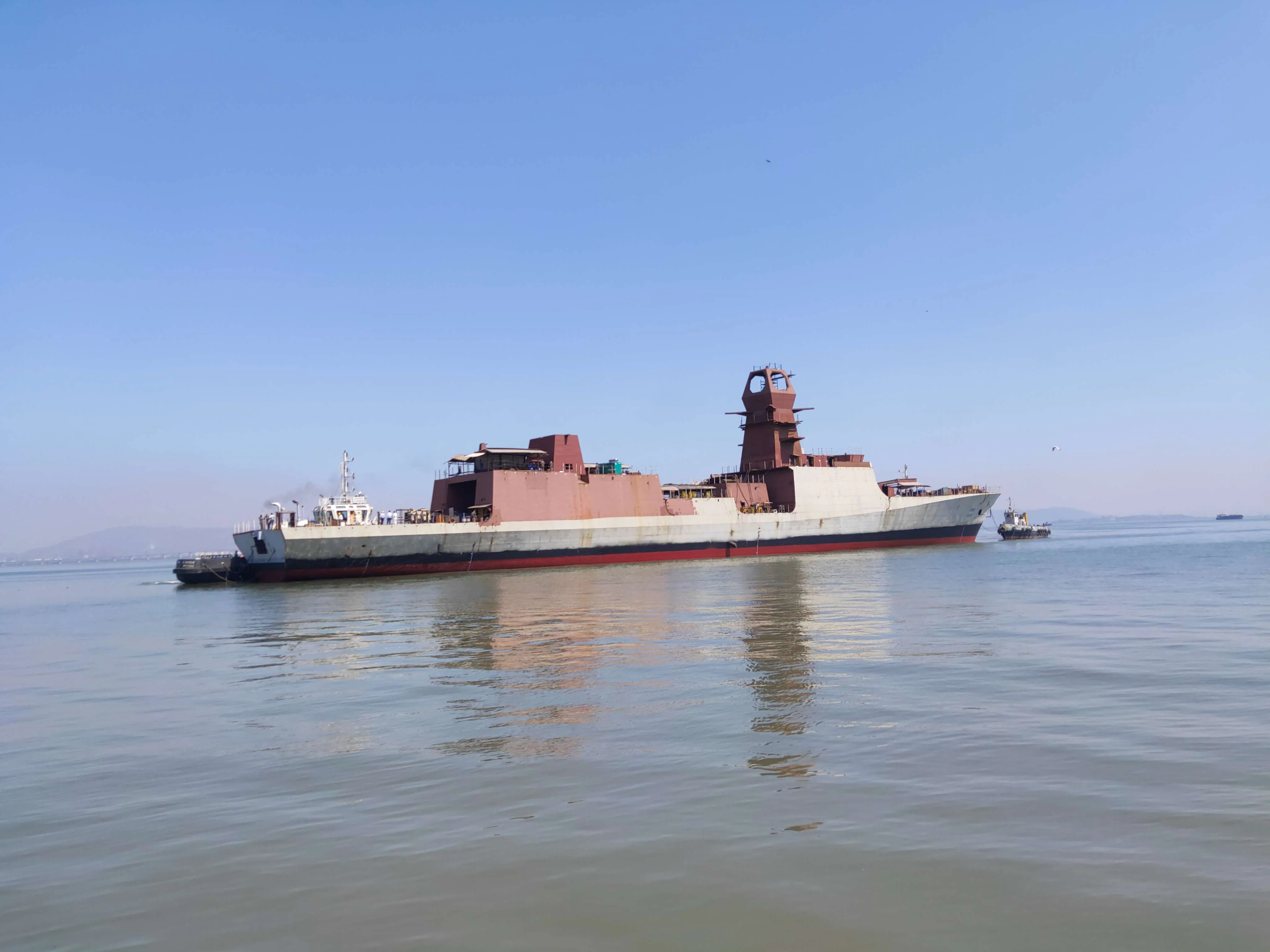
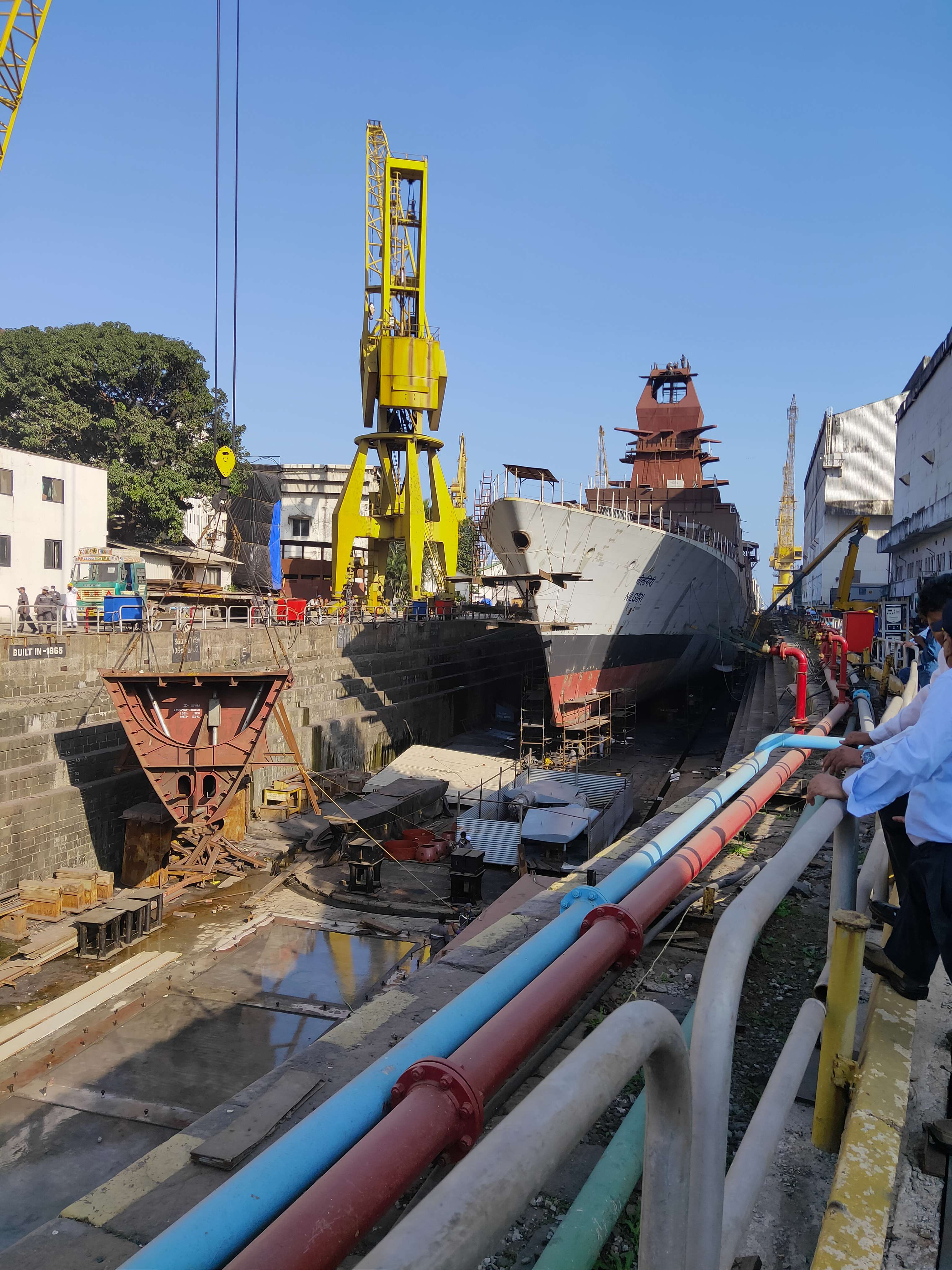
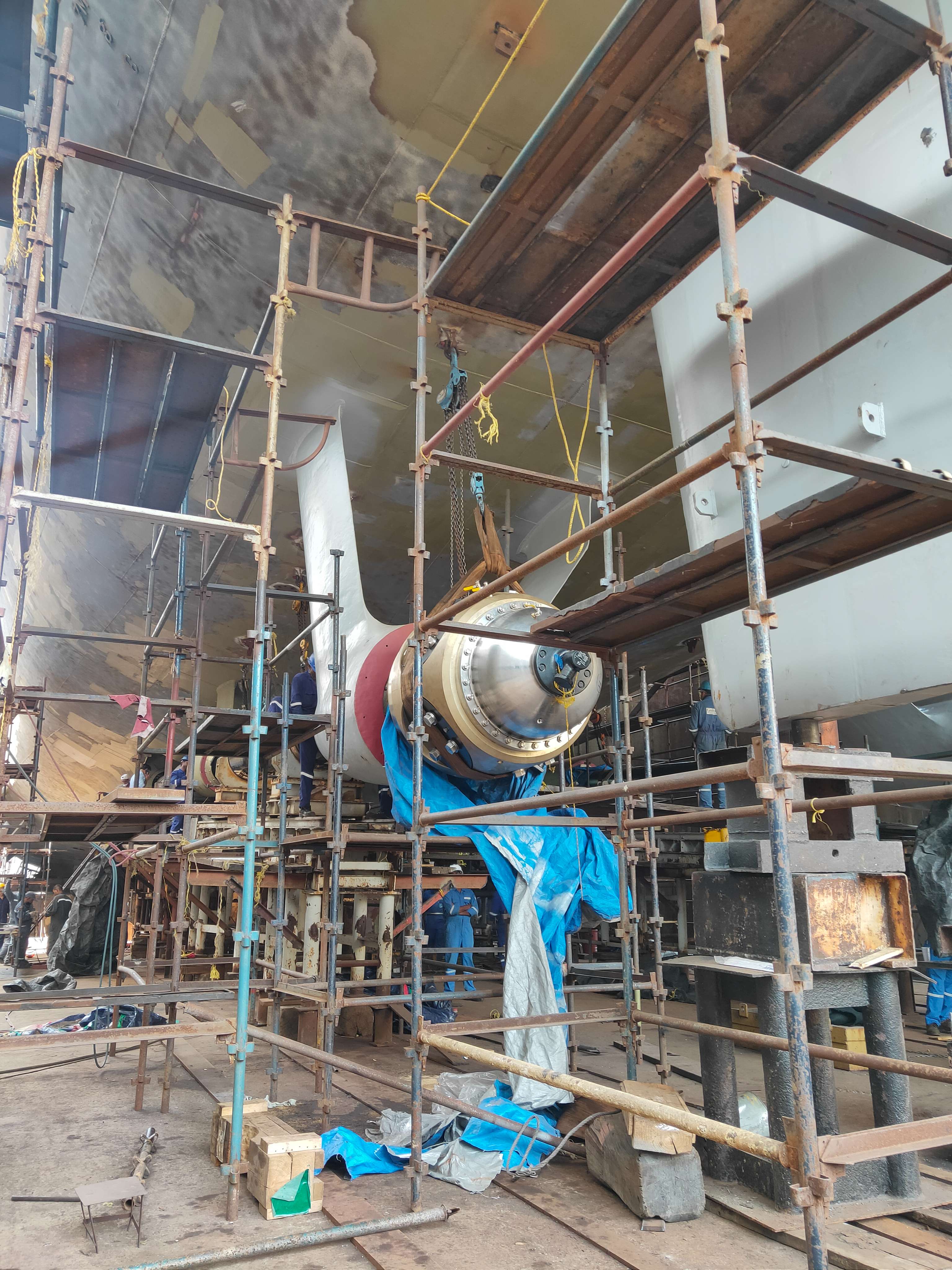
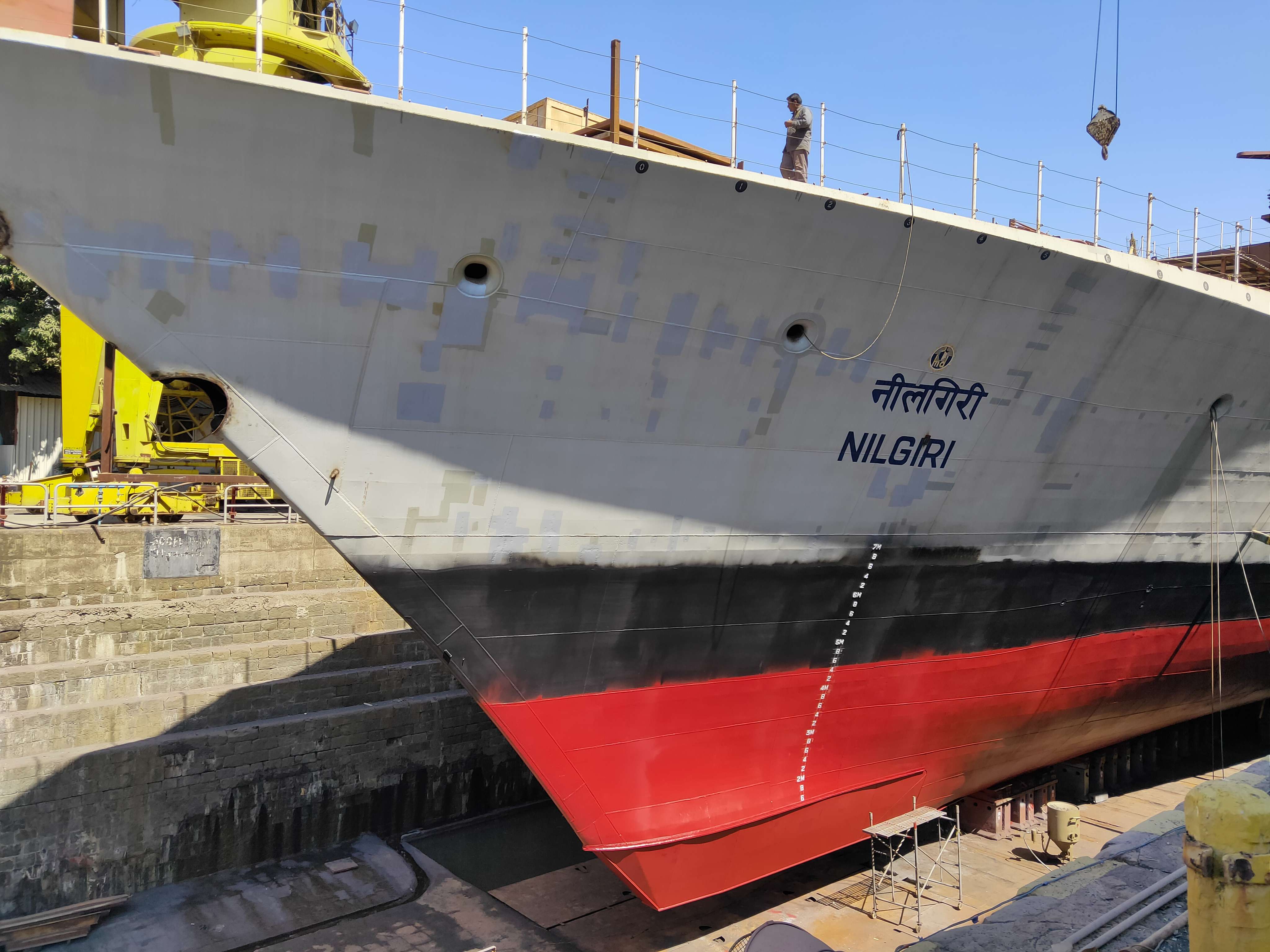
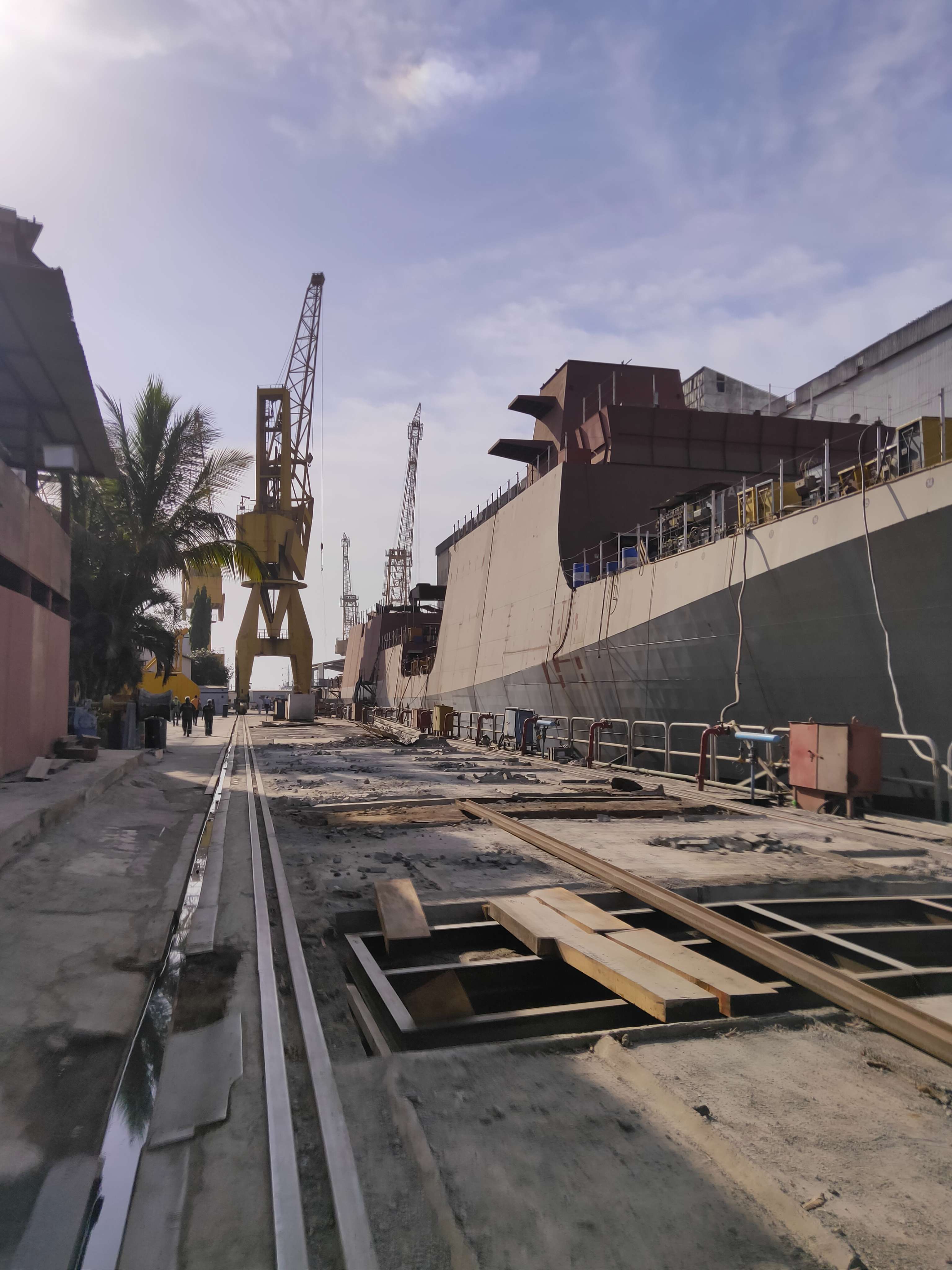
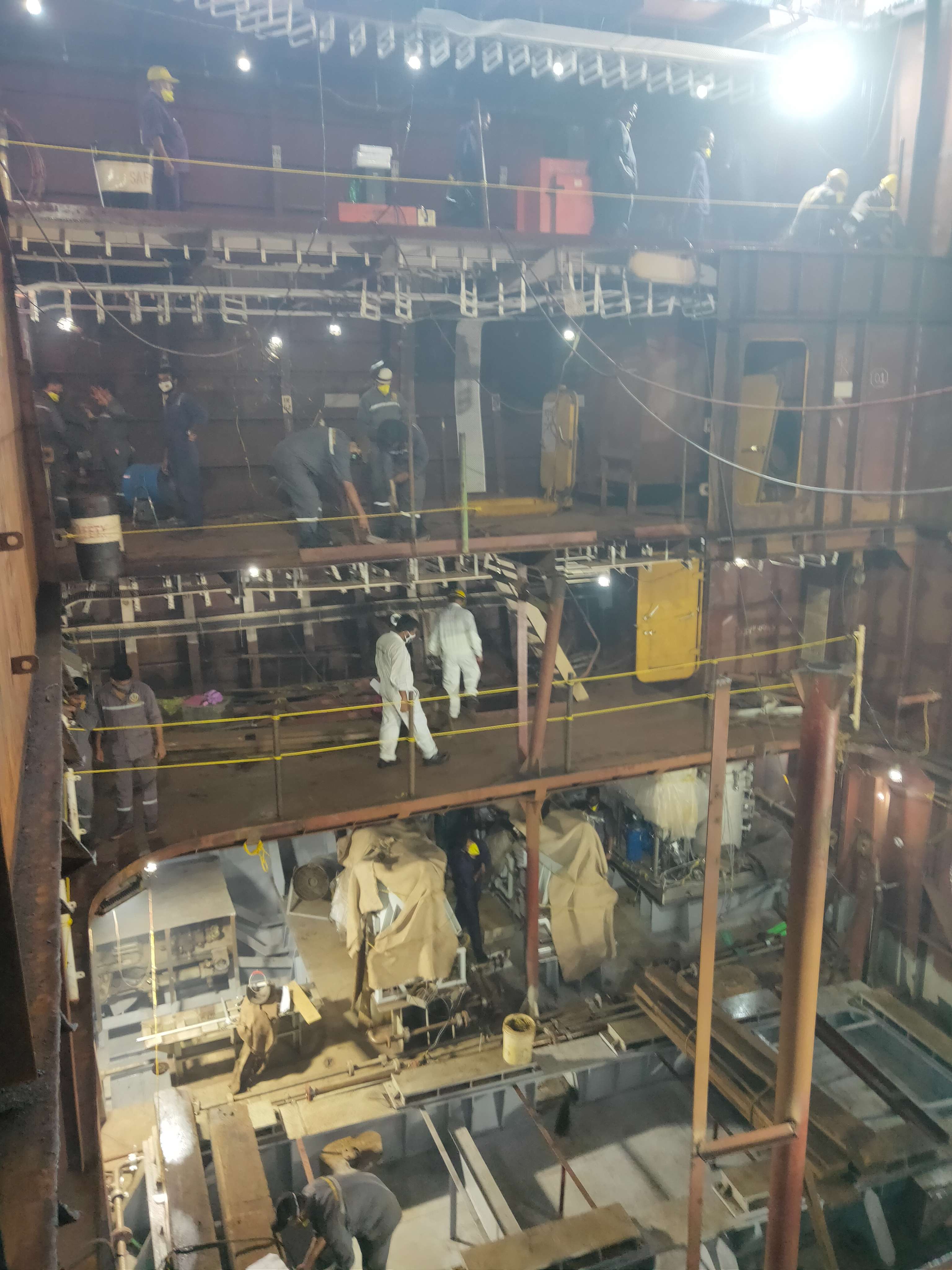
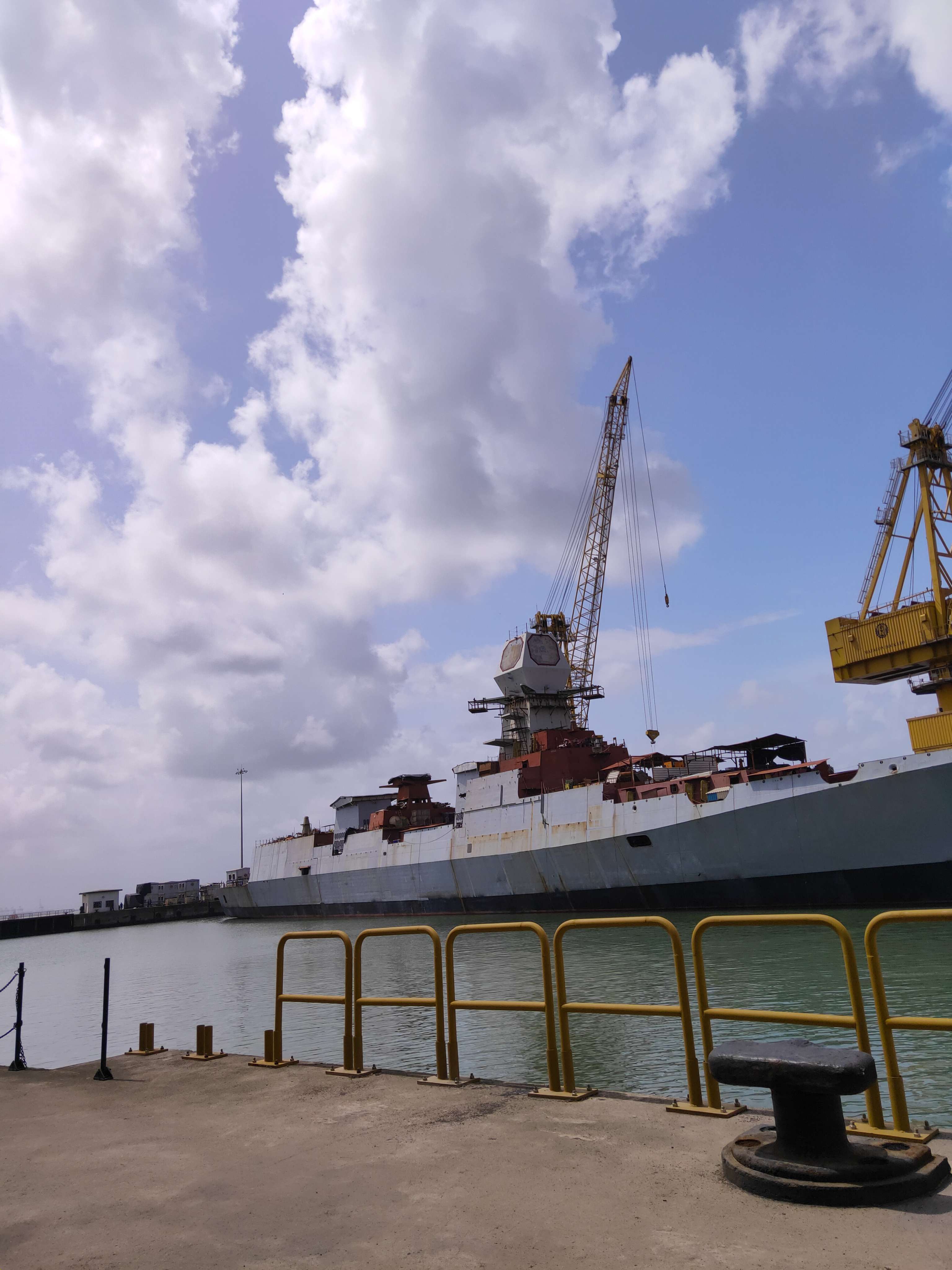
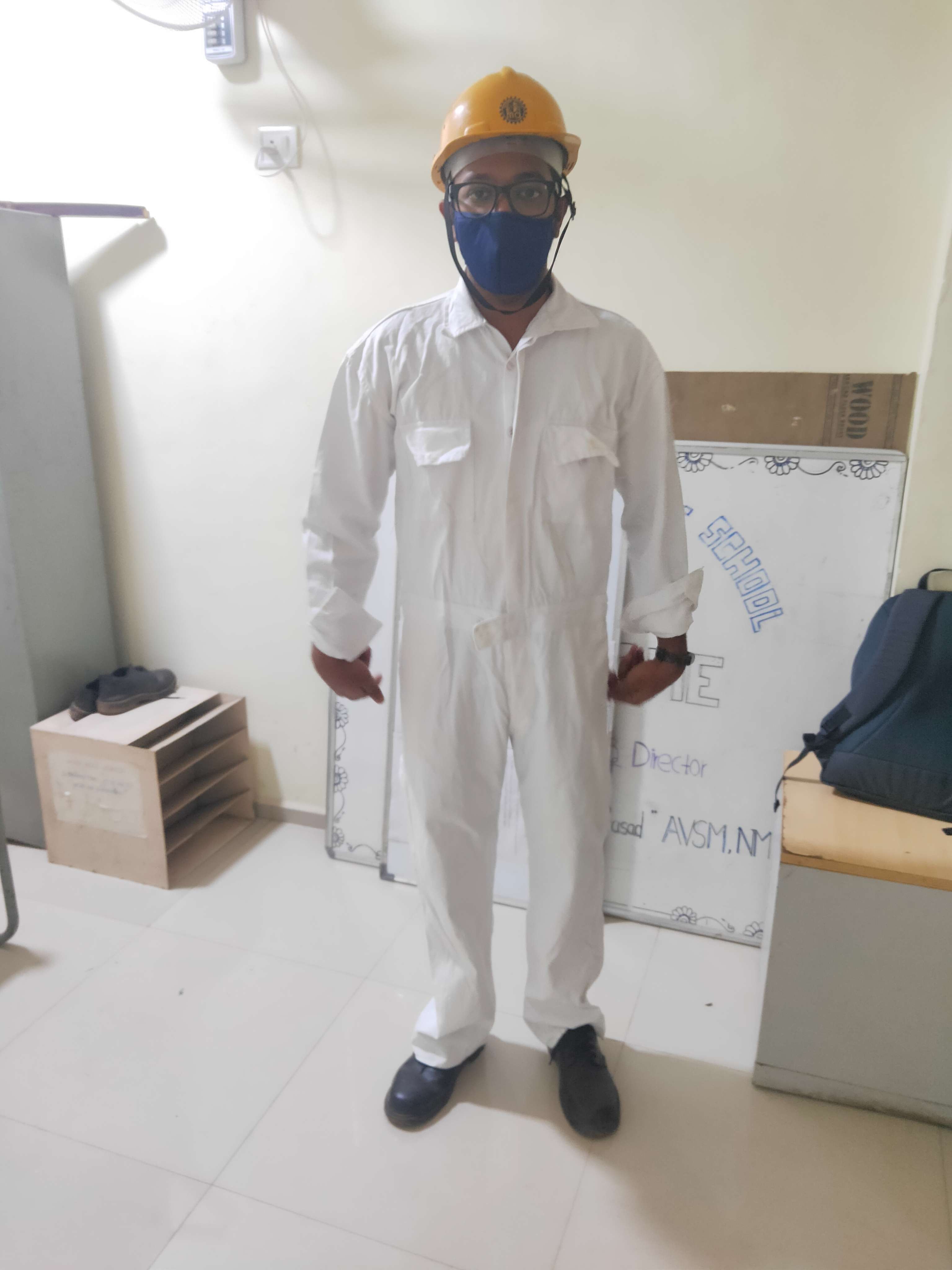
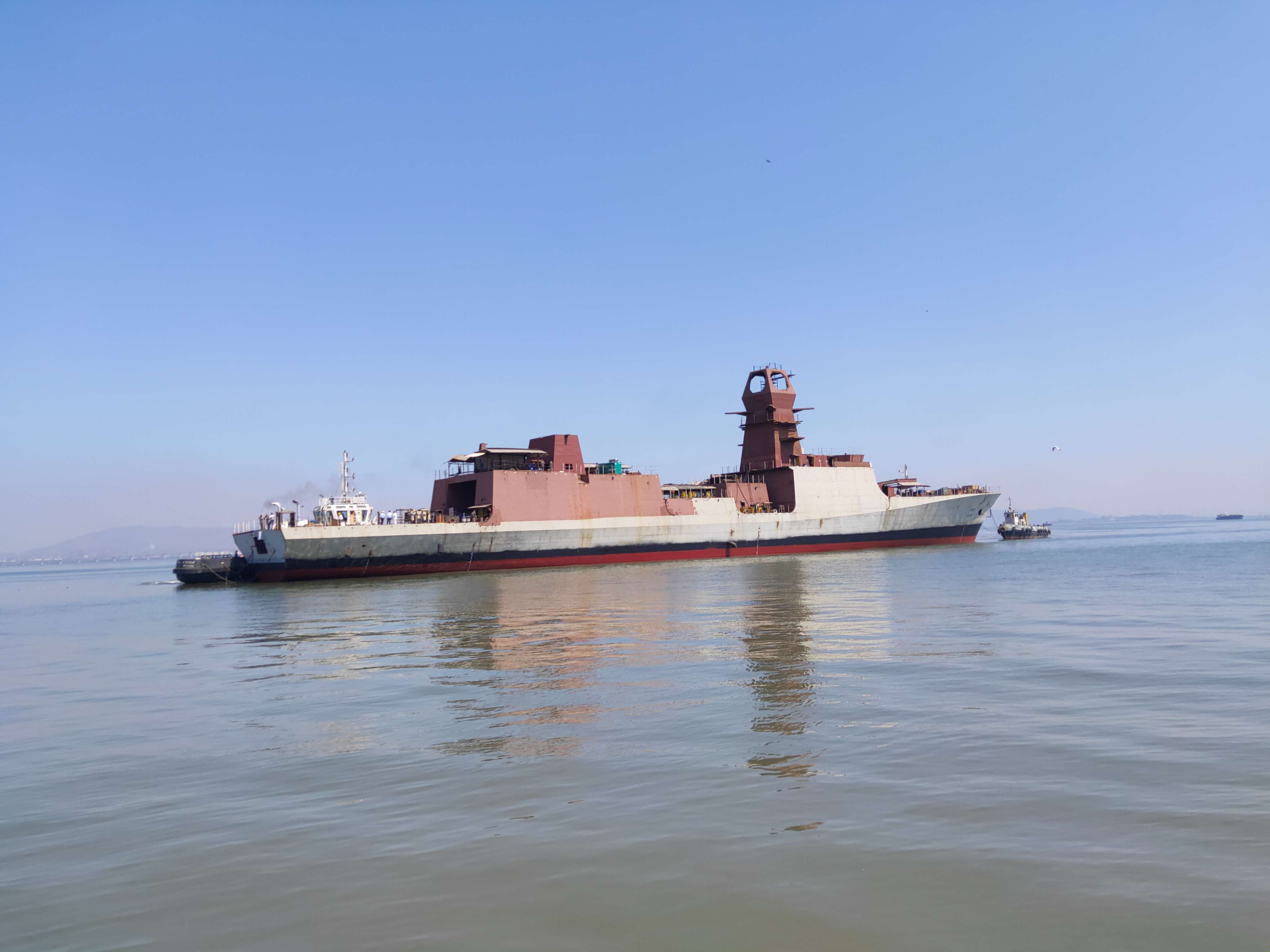
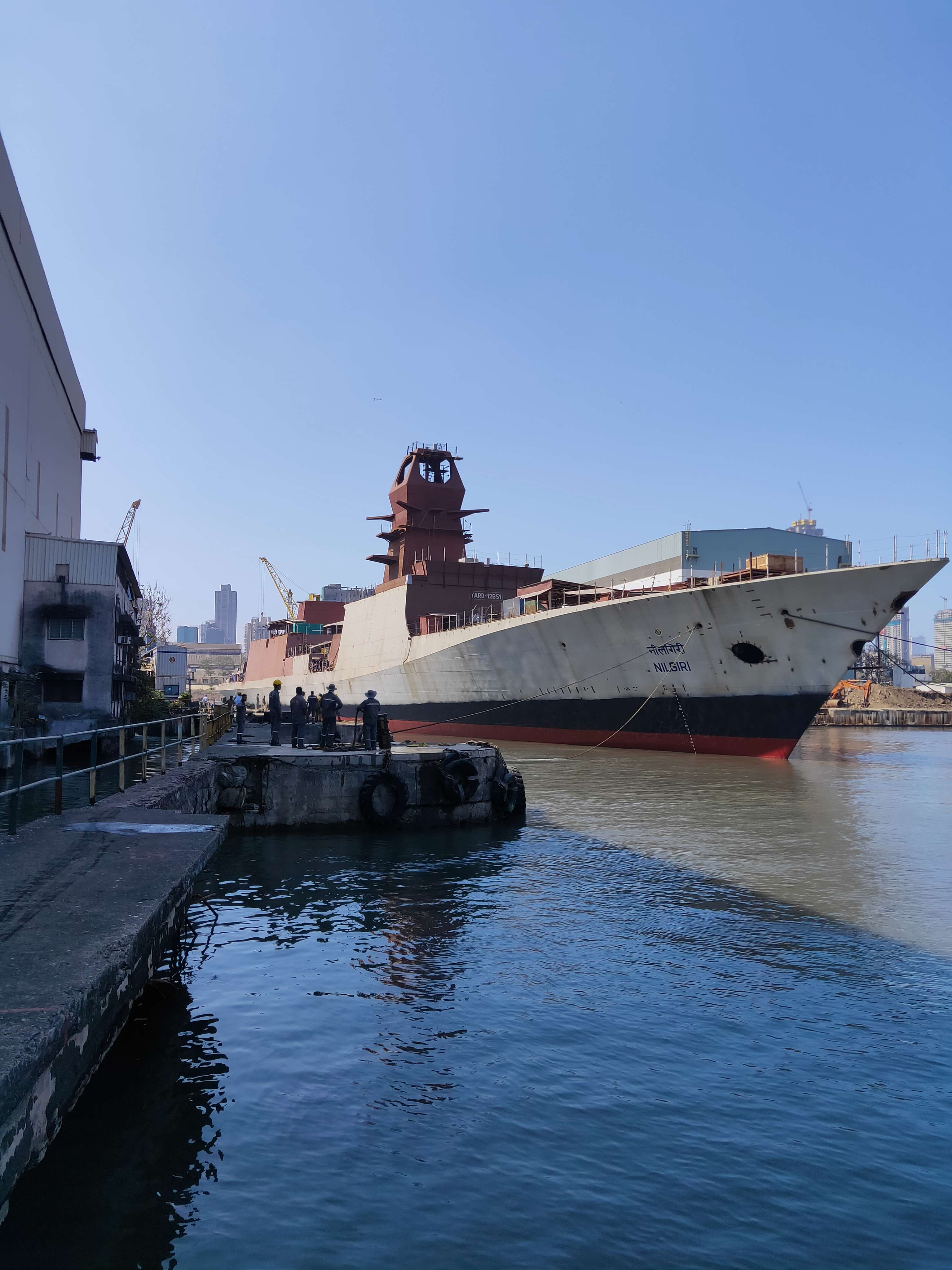
Constructing a modern stealth guided-missile frigate requires synchronizing thousands of mechanical subsystems, strict naval tolerances, and multi-tier quality inspections. During my 12-month tenure as a Graduate Apprentice (Mechanical Engineer) at Mazagon Dock Shipbuilders Ltd (MDL) in Mumbai, I was directly involved in the outfitting and quality engineering of INS Nilgiri, the lead ship of the Indian Navy’s Project 17-Alpha.
This experience grounded my theoretical mechanical engineering background in heavy industrial manufacturing; bridging the gap between CAD drawings, shop-floor execution, and stringent defense-grade compliance.
Key Responsibilities & Execution
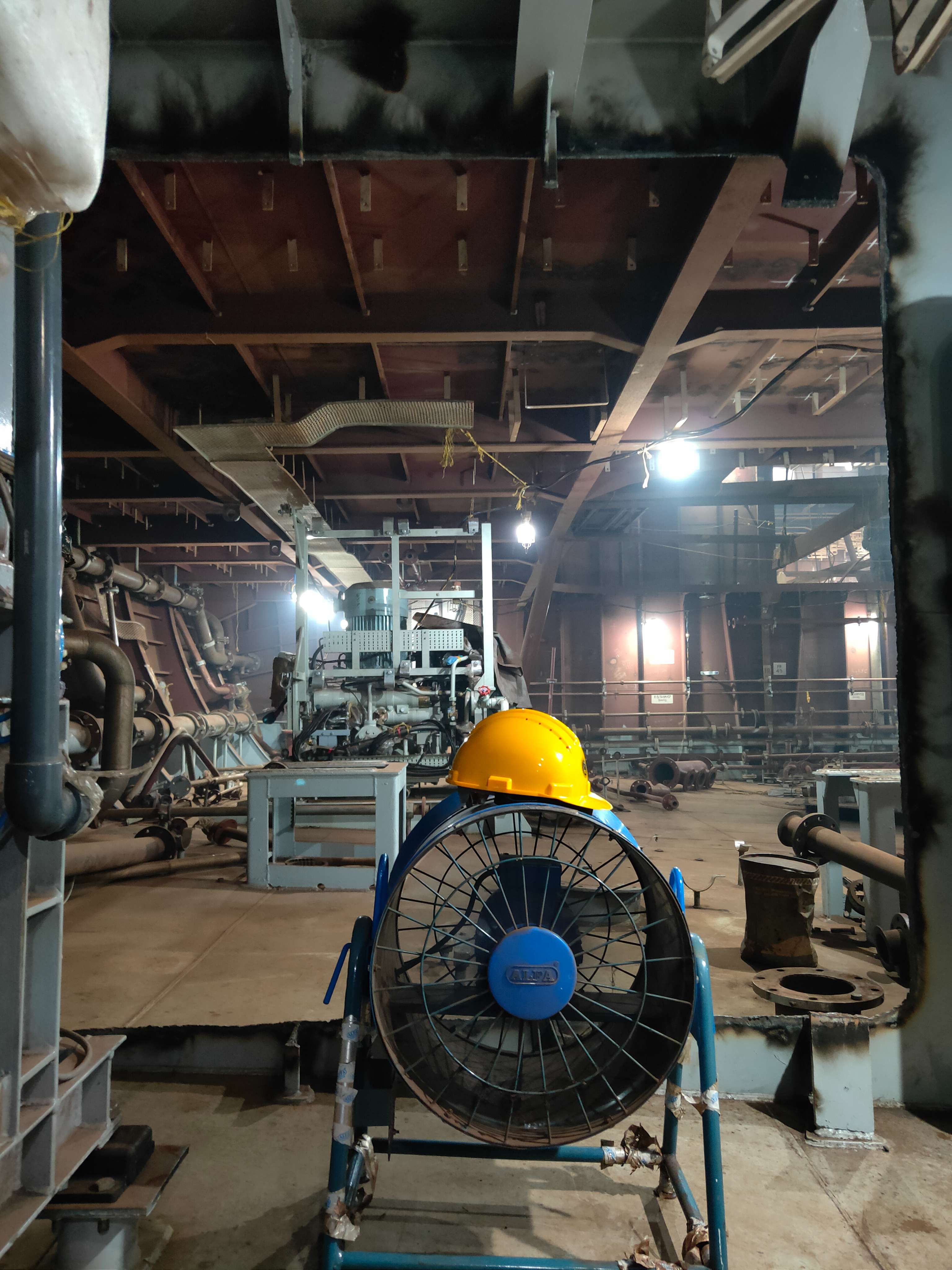
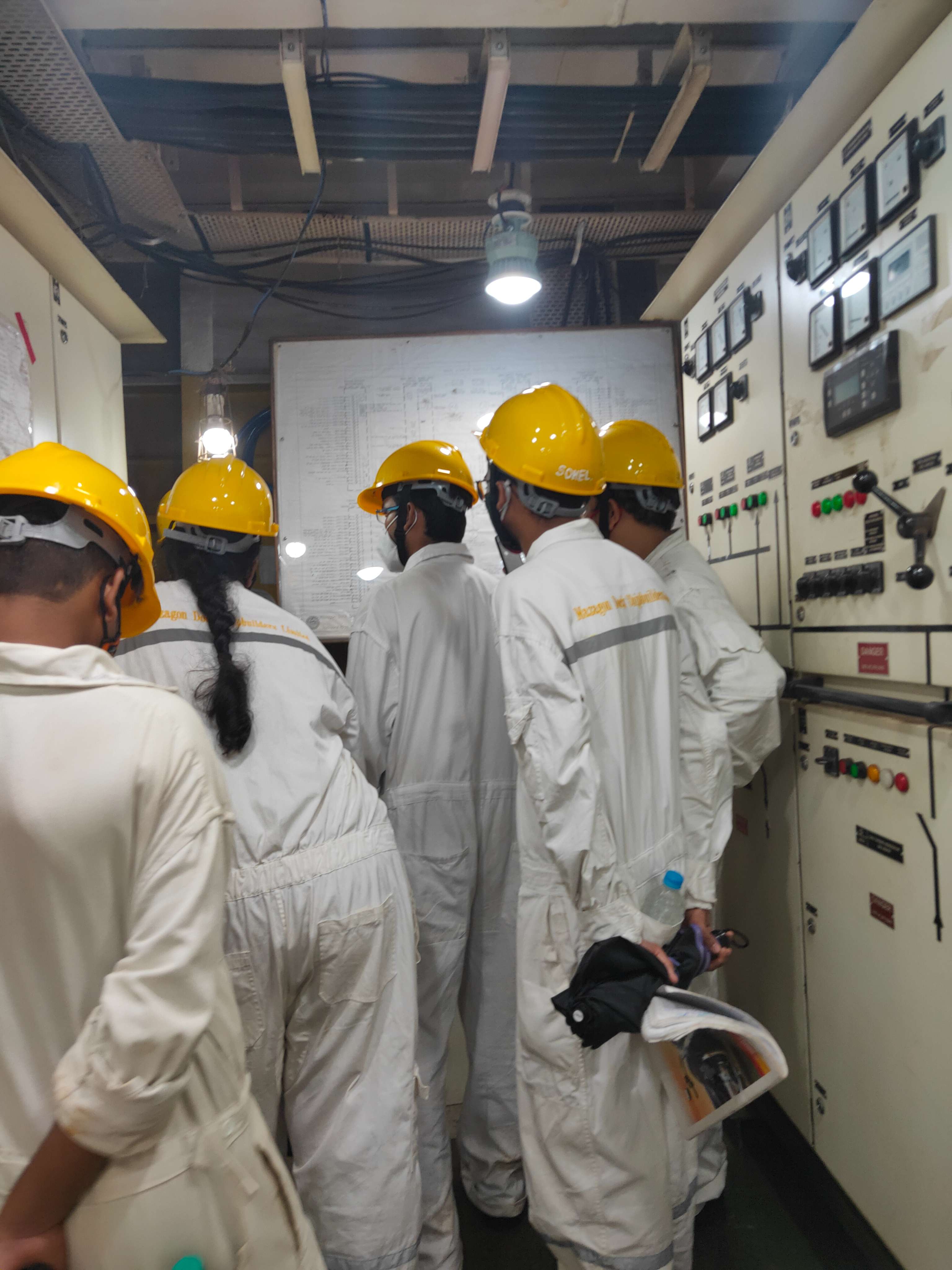
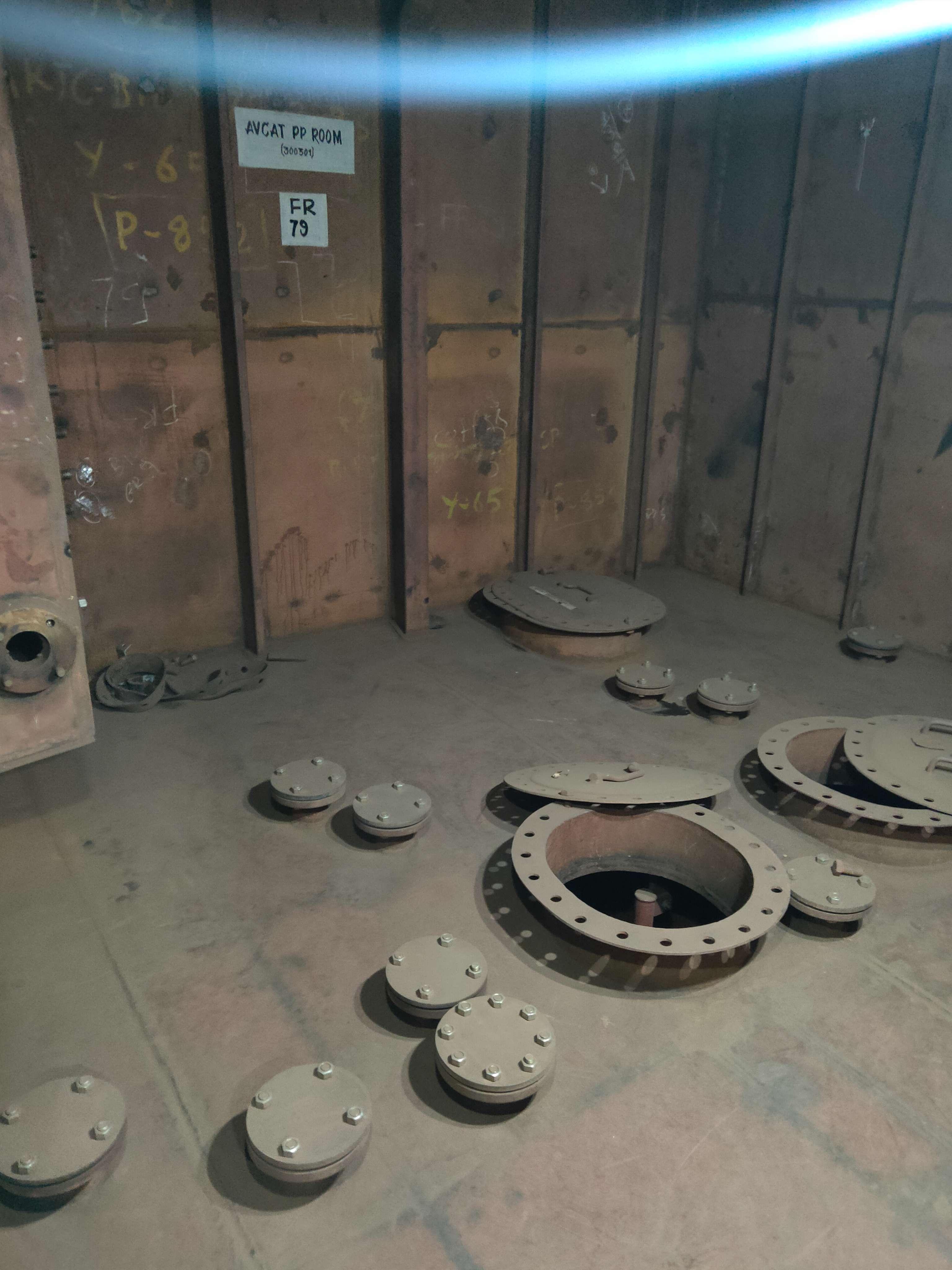
- Compartment & Insulation Inspections: Conducted routine physical inspections of onboard compartments and thermal/acoustic insulation installations to verify strict adherence to naval construction standards and design drawings.
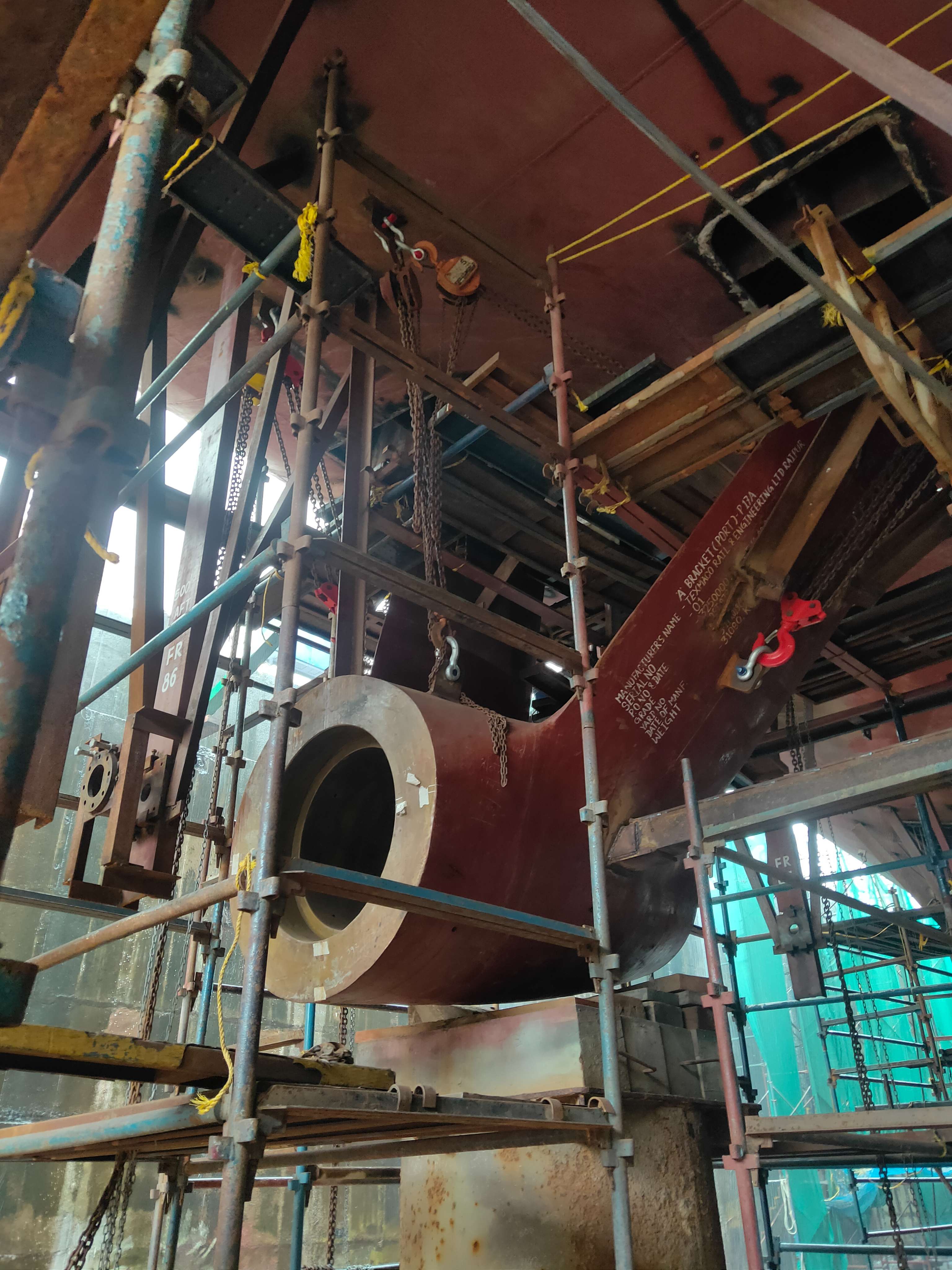
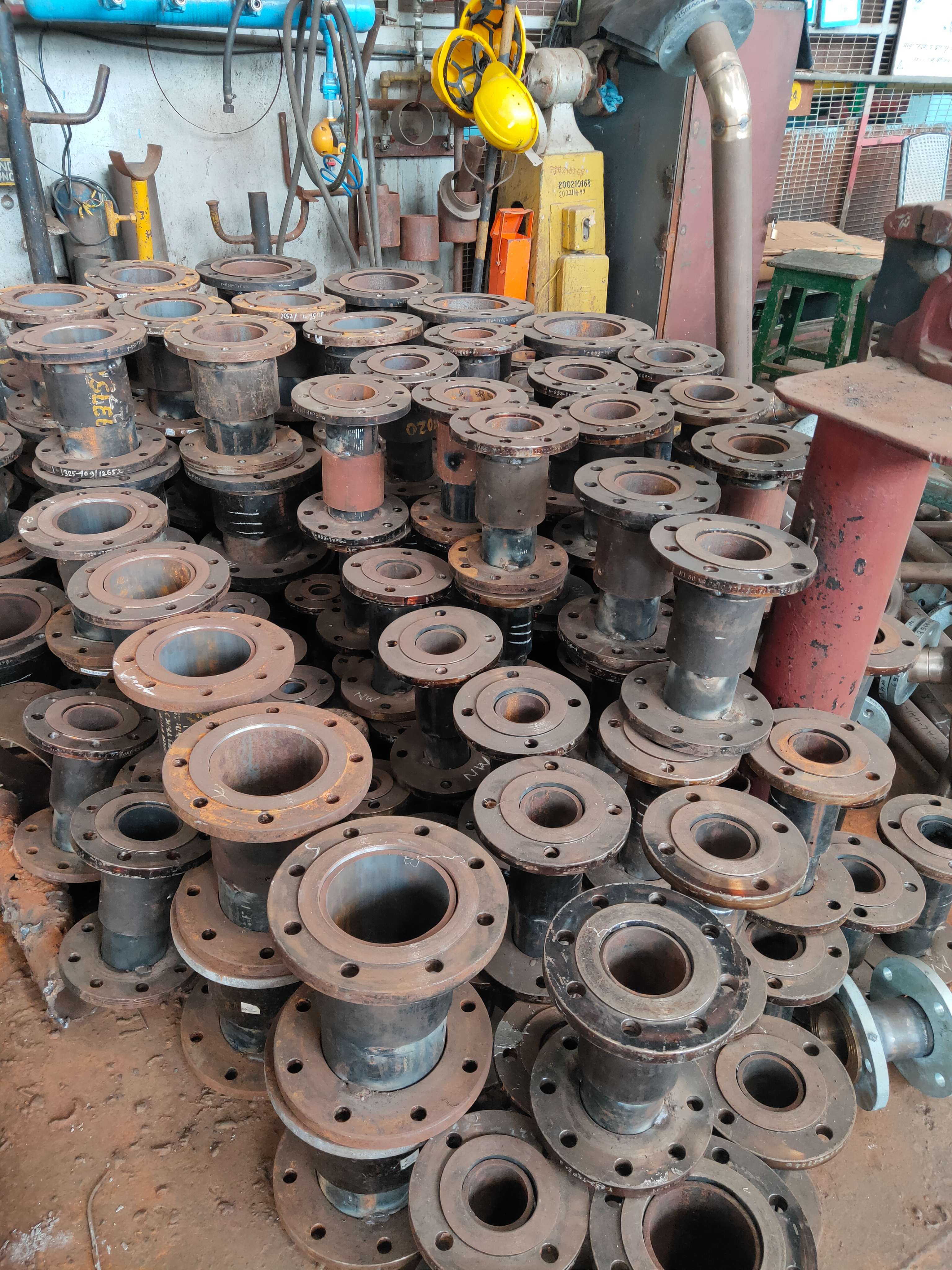
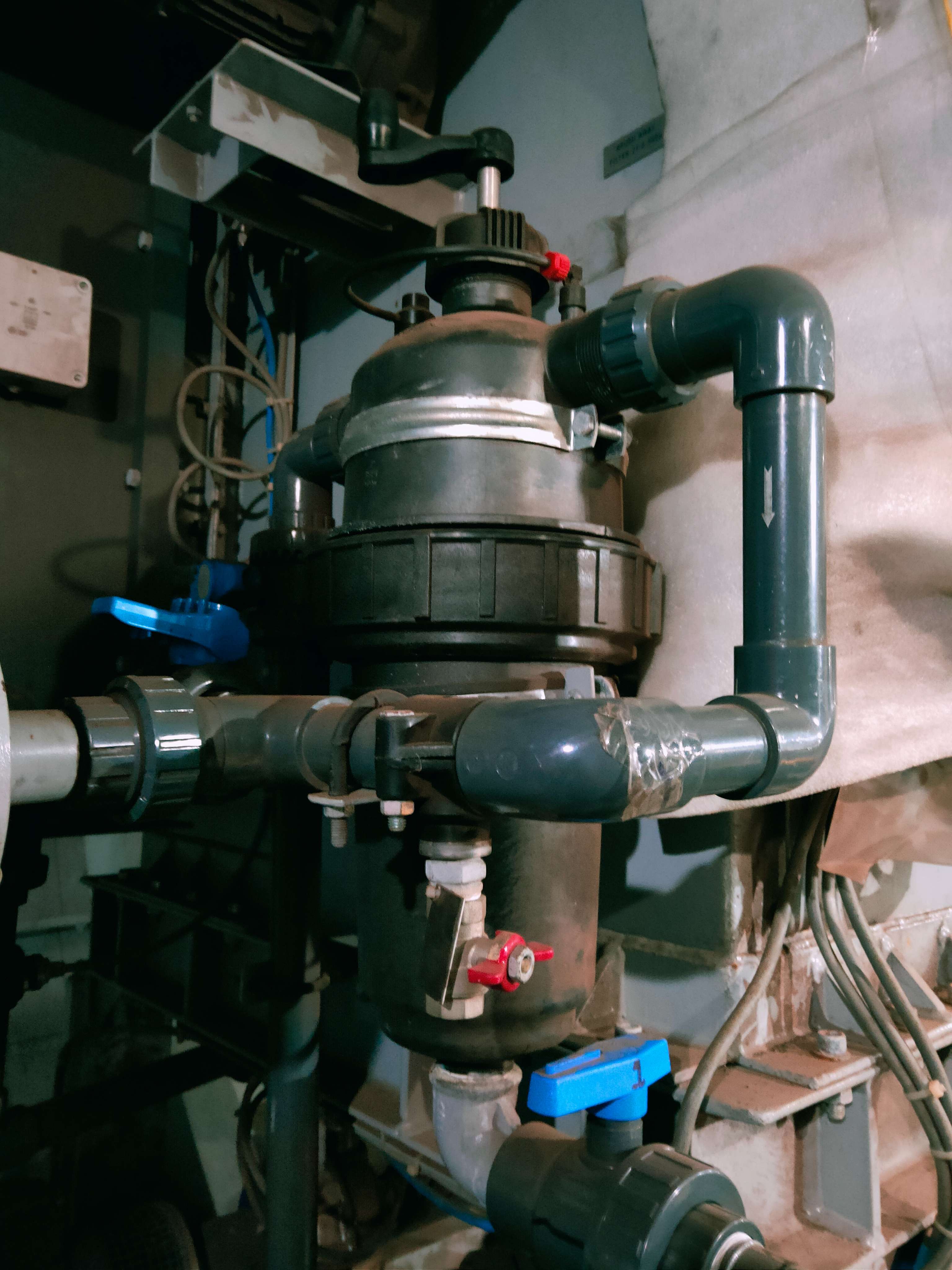
- Pipe Shop Supervision: Oversaw day-to-day shop-floor operations in the pipe shop, monitoring pipe fabrication, welding quality, and hydrostatic pressure testing to ensure leak-free, flight- and combat-ready marine piping networks.
- SQC & WOT Coordination: Managed and scheduled inspection requests between production teams, Ship Quality Control (SQC), and the Indian Navy’s Warship Overseeing Team (WOT), ensuring all technical prerequisites and documentation were audit-ready.
- Technical Documentation & BOM: Compiled and maintained sections of the Ship’s Data Book and prepared detailed Bills of Material (BOM), requiring meticulous cross-checking against CAD assemblies to prevent procurement or assembly bottlenecks.
Outcomes & Engineering Takeaways
Working on a flagship defense vessel highlighted how precision documentation and clear communication are just as critical as mechanical design.
- Zero-Compromise Quality Culture: Coordinating with SQC and WOT instilled a rigorous approach to verification, traceability, and standards compliance—habits that directly carry over into my computational verification and validation (V&V) workflows today.
- Real-World Problem Solving: Supervising welding, fabrication, and pressure testing in the pipe shop required rapid, practical troubleshooting when physical tolerances clashed with idealized design specifications.
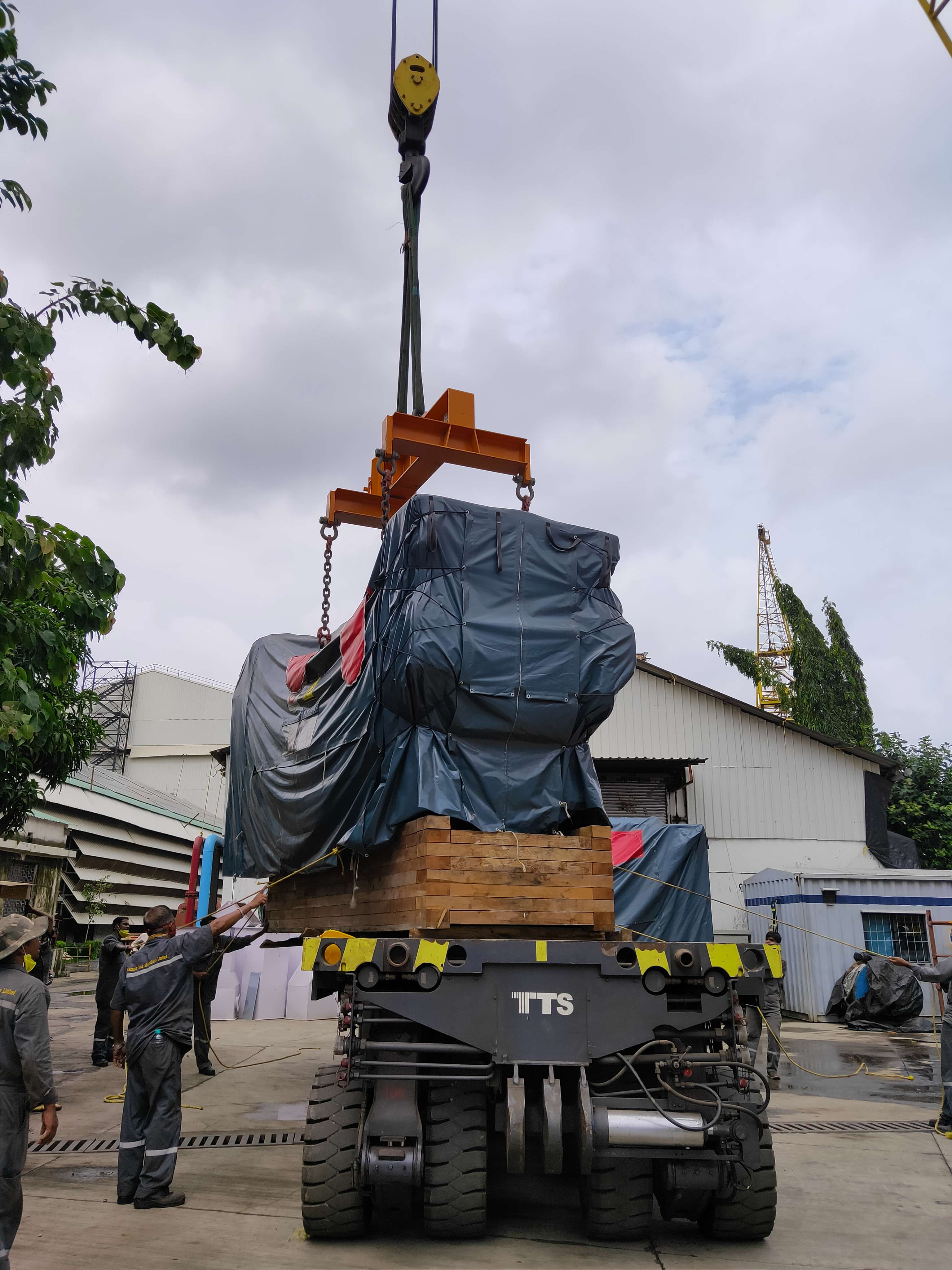
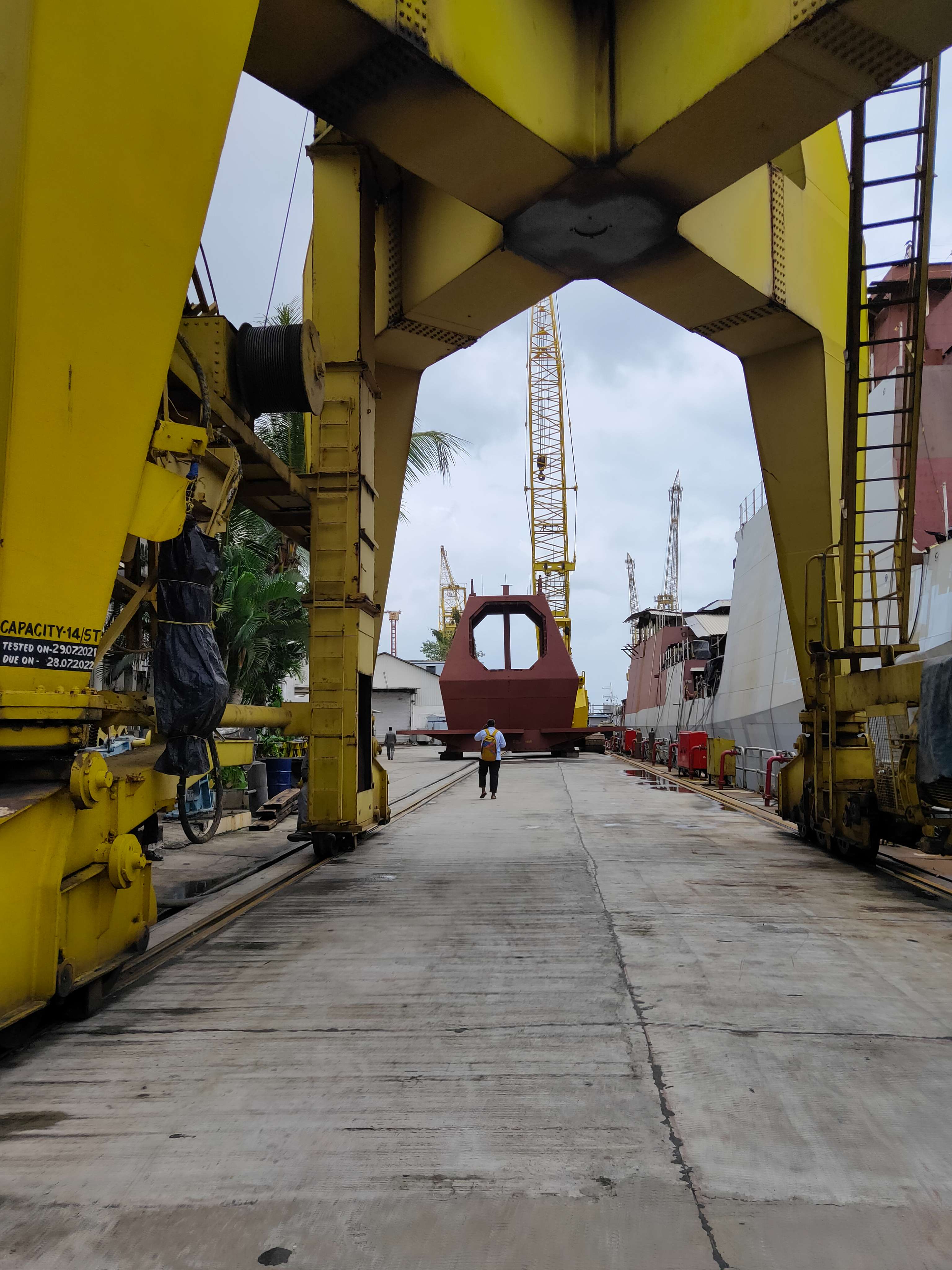
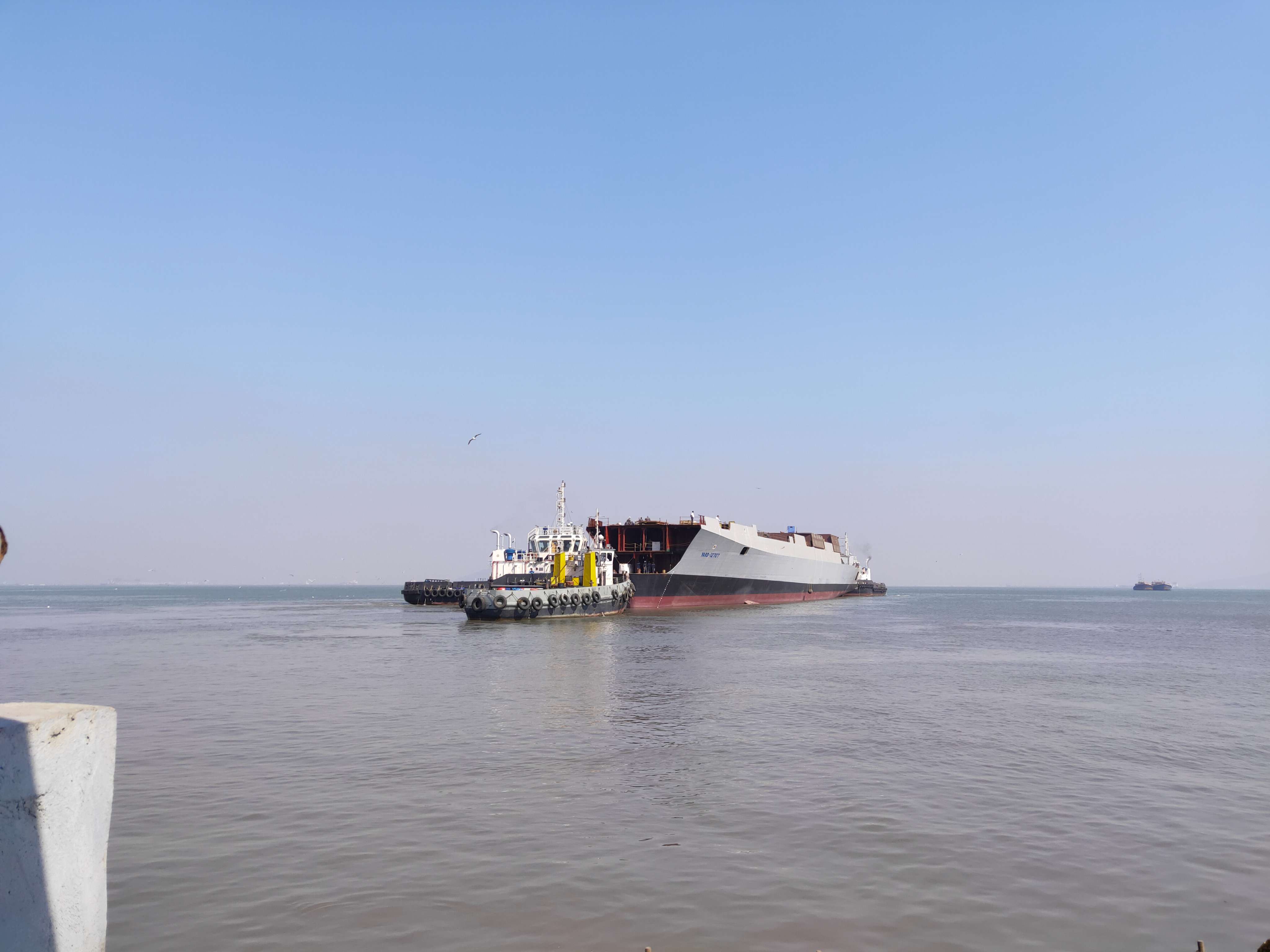
- Cross-Functional Collaboration: Seeing a warship come together from individual steel blocks and piping runs demonstrated how disciplined project management aligns hundreds of engineers, technicians, and inspectors toward a single mission-critical deliverable.
Related Projects
Part 7: Rayleigh-Number Sweep: Validating a Differentially Heated Cavity in OpenFOAM
A reproducible four-case study of laminar natural convection from Ra = 10^3 to 10^6, compared with the De Vahl Davis benchmark and interpreted with explicit numerical and sampling limitations.
Part 6: Mesh Verification & Grid Convergence Index (GCI)
Quantifying numerical discretization error and establishing mesh independence in the Differentially Heated Cavity using Richardson Extrapolation and the ASME V&V 20 Standard.